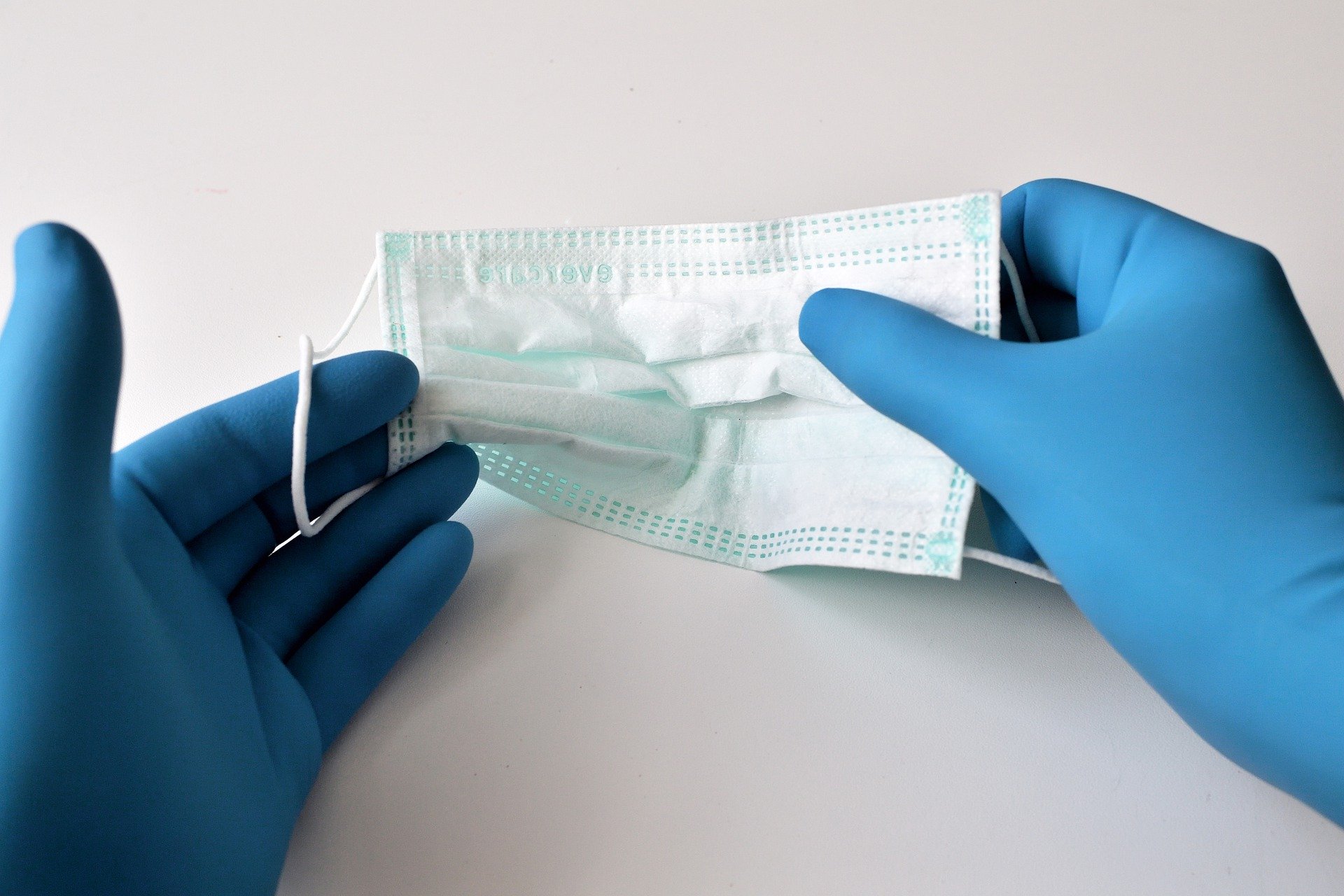
The ASCEF and the IEF reaffirm their commitment to employment, sustainability and welfare

The ASCEF has reaffirmed its commitment to employment, sustainability and the well-being of society in the face of the COVID-19 crisis. The entity established in 1998, which is linked to the Family Business Institute (IEF) and comprises over 100 companies representing the Catalan business community, highlights in an official video the role played by family businesses during the pandemic. Companies have maintained activity whenever possible and applied the necessary safety measures to protect workers; they have placed their productive capacity at the disposal of the government and used their international networks and logistical capacity to transport medical materials. Family businesses have also made altruistic donations in an attempt to alleviate some of the hardships arising from the crisis.

Family businesses in Spain that form part of the different territories linked to the IEF have also expressed their willingness to reinvent themselves and adapt to the new normal. The aim is to maintain and boost employment and continue to help improve the general situation.

Despite the difficulties, half of family businesses have limited the fall in employment to less than 20%

Eighty-six per cent of family businesses state that their activity has dropped, with 42% saying that they have experienced falls of over 60%. These are among the results of a Bank of Spain report released today in which ASCEF participated by canvassing the opinions of its members. Almost a third of the companies surveyed say that they will suffer a decrease in profits of over 80%. Despite this, almost half of them have managed to reduce the fall in employment to below 20%.

Family employers regard government measures as insufficient, although the most popular are the facilities for the temporary adjustment of employment, the special financing lines (ICO), the guarantee lines and public guarantees and the deferral of tax debts.

The Bank of Spain estimates that the disruption of this year’s activity and employment “will be very severe” but that it will be mitigated to some extent by measures aimed at providing short-term liquidity and income. According to these calculations, the public deficit in 2020 may be within a range of approximately –7% to –11% of GDP. Meanwhile, public debt this year could be between 110% and over 120% of GDP approximately.

ASCEF members, serving society during the COVID-19 pandemic

April 2020.- In the current situation, many companies have become allies of the groups most exposed to the coronavirus and are acting to support the most vulnerable citizens. Family businesses, which are especially committed to their environment, are a good example:

The pharmaceutical company Almirall has launched an action plan containing a number of measures to respond to COVID-19 and assist health professionals. These include the donation of protective equipment (masks, gloves and gowns, among others) and topical creams to reduce dry and damaged skin due to the prolonged use of masks and disinfectants. The company has also partially modified its production facilities in order to manufacture antibacterial gels. It also plans to collaborate with the Leitat Foundation to develop ventilators manufactured using 3D printing for hospitals and intensive care units.

Meanwhile, Girbau, the company for comprehensive professional laundry solutions, has provided the Clínic hospital in Barcelona with a portable washing machine to help with the task of cleaning and disinfecting textiles. This machinery washes and disinfects daily up to 720 kg of medical staff clothing and tests the behaviour of materials when they are being washed.

The dermocosmetic company MartiDerm has given the Red Cross 2,500 units of the MartiDerm Covid-19 Dermatological Support Kit. This consists of three products: a hydroalcoholic disinfectant gel, an intensive hand cream and three cream patches for tired legs.

For its part, Cacaolat, a company that is 50% owned by Damm, has provided 60,000 bottles of cocoa and milk shakes to a variety of organisations to help alleviate the effects of the situation and express its gratitude to health personnel for their efforts. Donations have been made to associations such as the Food Bank, the Red Cross, Caritas, the Barcelona College of Physicians and a number of groups from healthcare institutions.

Carolina Herrera, which is owned by the Puig group, has adapted its tailoring production line in the town of Vacarisses to make gowns and masks for healthcare centres and the food industry.

You can see other examples of solidarity and good practices by ASCEF members.
If you need more information contact us ascef@ascef.com